 Stade de Reims Hub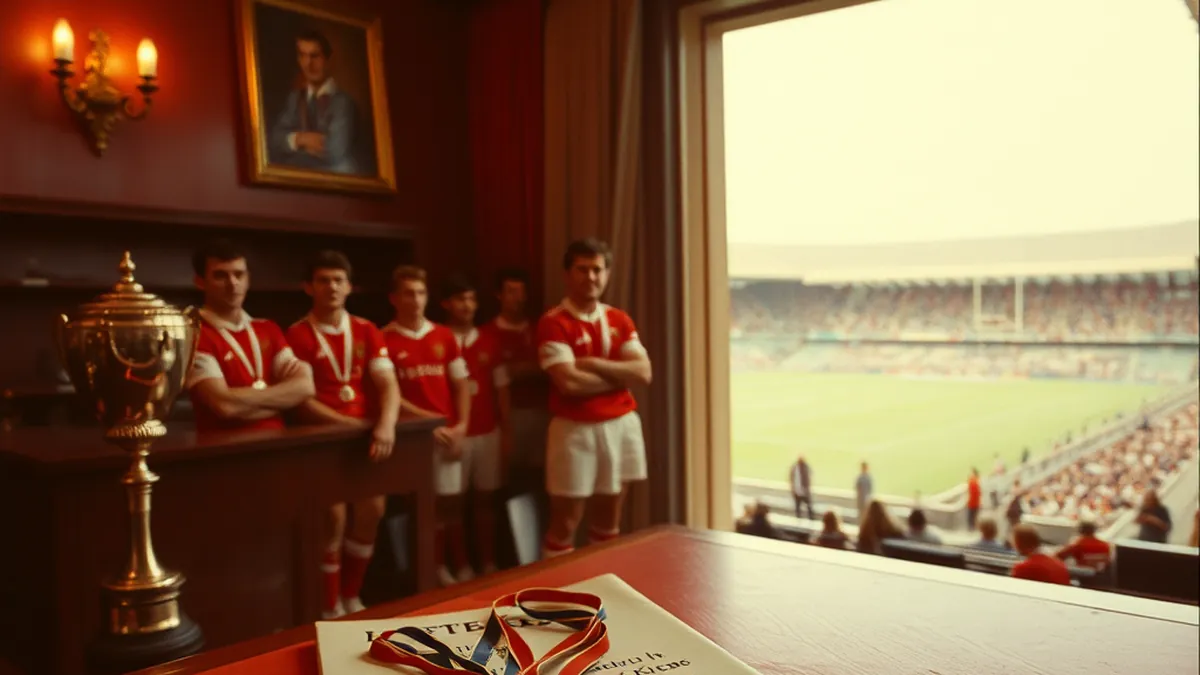
The 1960s were a pivotal time for Stade de Reims, marked by significant changes both organizationally and athletically. After being one of the most feared clubs in France and Europe in the 1950s, Reims had to navigate a delicate transition that tested the resilience of its management and supporters.
One of the most memorable moments of this decade came in the 1962-1963 season, when Stade de Reims faced new challenges in Ligue 1. With a refreshed squad, the coach at the time, Albert Batteux, managed to inject new energy into the team. Although results were not always up to expectations, the emerging young talents set the foundation for future success. Players like the talented forward, Michel Hidalgo, began to draw attention, reinforcing the idea that Reims could renew itself while preserving its legacy.
The club also began investing in its infrastructure, particularly its youth academy, laying the groundwork for a generation of footballers who would shine on the national and international stages. These efforts bore fruit in the following years, as Reims, bolstered by its development, managed to qualify for the European Cup.
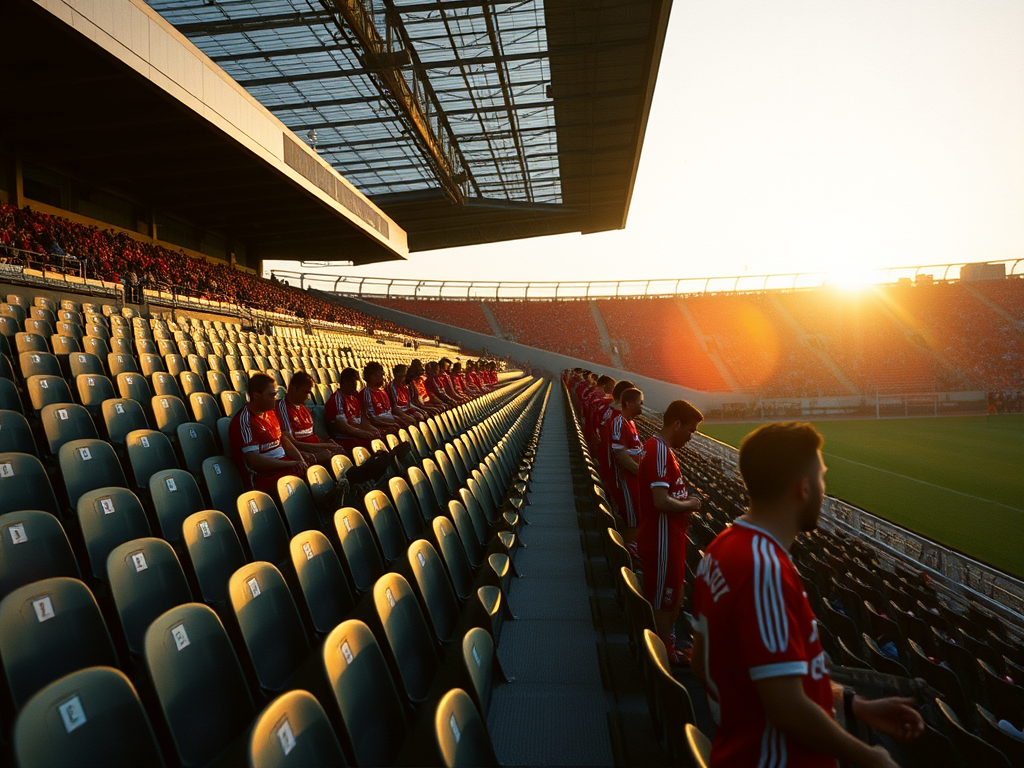
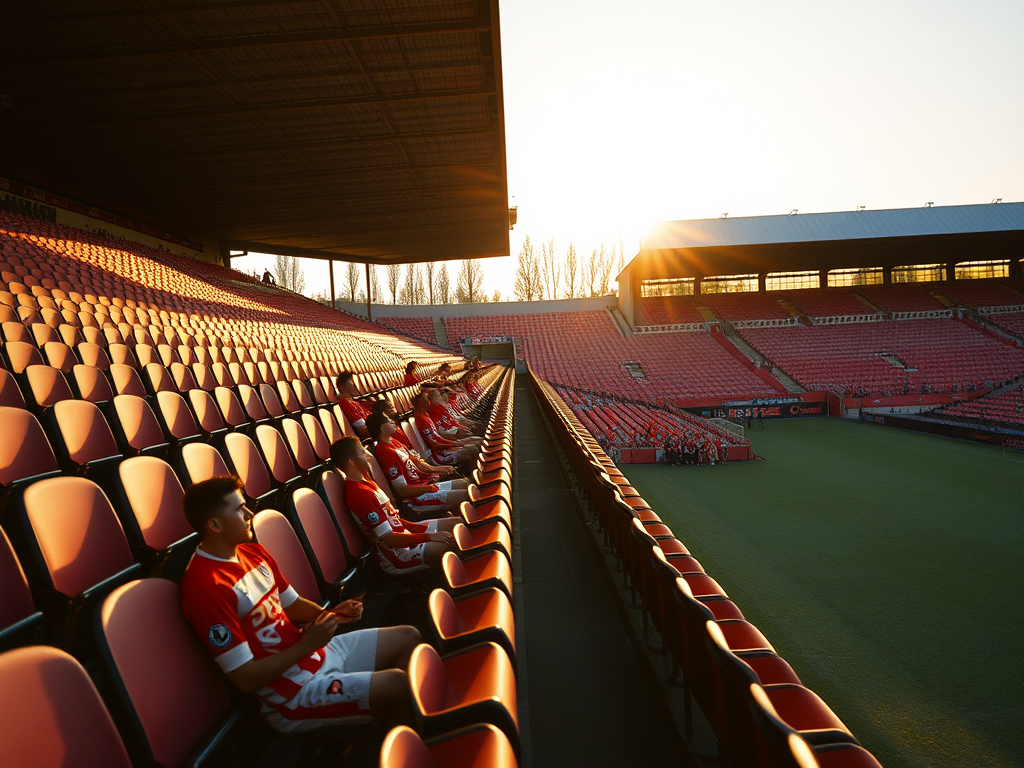
Beyond the pitch, the passion of Reims supporters was another key factor in the club's renaissance. The chants and encouragements of the fans echoed through the Stade Auguste Delaune, creating a unique atmosphere that galvanized players, even in difficult moments. This fervor reminded everyone that the club belongs to its community, further strengthening the ties between players and supporters.
In summary, the 1960s were a transitional period for Stade de Reims, but also one of promise. The challenges faced forged a resilient identity that continues to influence the club today. As history unfolds, it is essential to remember this formative period, which allowed Reims to reinvent itself and prepare for its return to the pinnacle of French football.