 Stade de Reims Hub
Stade de Reims: Navigating Recent Form through Tactical Adjustments
As Les Rouges et Blancs continue their journey in Ligue 2, it's crucial to examine their recent performances and identify tactical tweaks that could enhance their results. While the team has showcased moments of brilliance, inconsistency has plagued their campaign, making it essential for head coach William Still to reconsider certain strategies on the pitch.
1. Midfield Dynamics: Finding Balance
One of the key areas where Stade de Reims could improve is in their midfield dynamics. The current setup often sees the midfielders either too deep or too advanced, creating gaps that opponents exploit during transitions. A more balanced midfield trio, with one holding midfielder and two box-to-box players, could provide better coverage in defense while allowing for more fluid attacking movements. This would enable players like Alexis Flips and Marshall Munetsi to contribute defensively and still provide support in the final third, creating a more cohesive unit.
2. Wing Play Enhancement
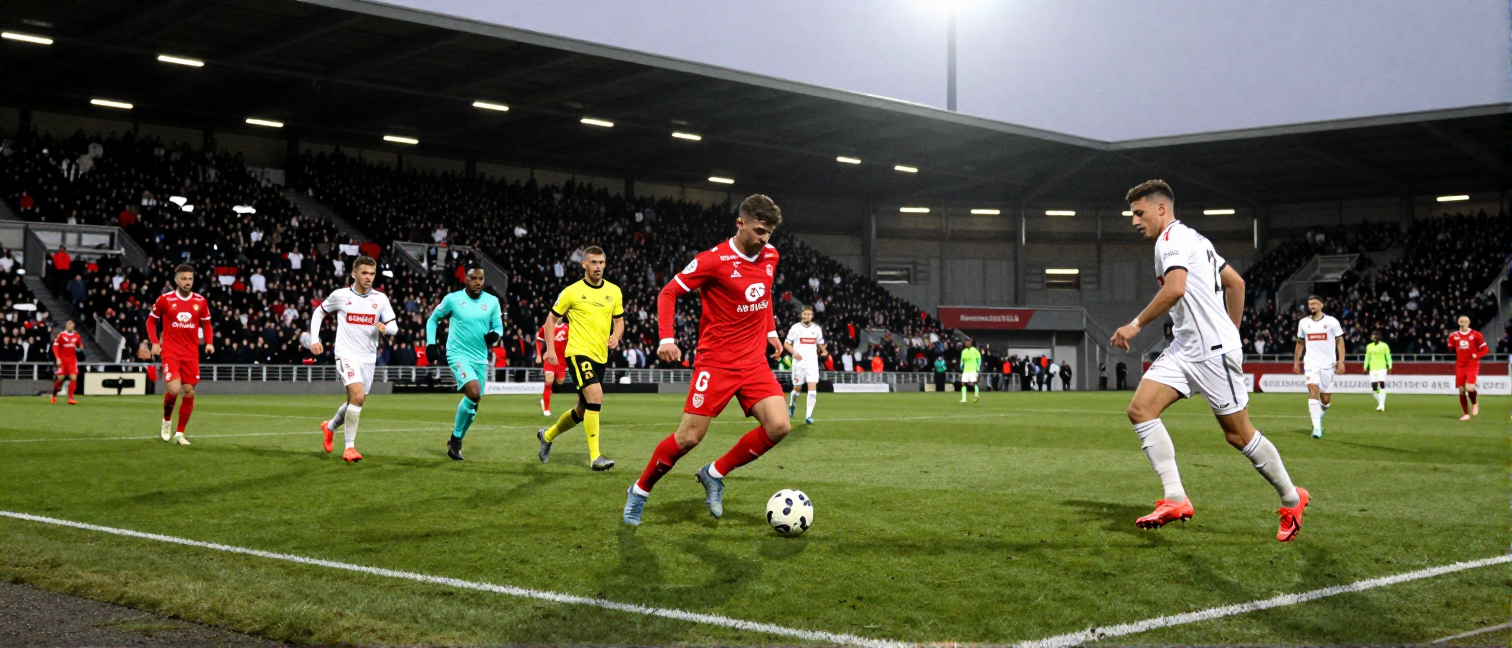
Another aspect to focus on is the utilization of width in their play. Reims has the personnel to stretch defenses with the likes of Maxime Busi and Thomas Foket providing overlapping runs from full-back positions. By encouraging these players to push higher up the pitch, Reims can create 2v1 situations on the flanks, drawing defenders and opening up space for the central attackers. Employing a more direct style of play, particularly through quick switches to the wings, could exploit the pace and dribbling ability of wingers like Hugo Ekitike, who thrives in one-on-one situations.
3. Pressing Strategy: High vs. Low
Defensively, Stade de Reims has toggled between a high press and a more conservative, compact shape. While both strategies have their merits, consistency is key. Moving forward, a hybrid approach that incorporates elements of both could disrupt opponents' build-up play while also maintaining a solid defensive structure. For instance, initiating a high press when the opponent is in their third can force errors, but dropping into a compact shape when facing strong transitional teams could prevent counter-attacks. This situational awareness will allow Reims to control the tempo of matches more effectively.
4. Set-Piece Optimization
Set-pieces can provide a significant advantage in tight matches, and Reims should prioritize this area. Currently, their delivery from corners and free-kicks lacks variety and precision. By working on set-piece routines that involve decoys and varied run patterns, Reims can create more goal-scoring opportunities. Engaging players like Wout Faes for attacking set-pieces could be beneficial, as his aerial ability poses a threat to opposing defenses.
5. Substitution Patterns
Finally, revisiting substitution patterns could have a profound impact on the team's overall performance. Currently, substitutions often occur too late in the match to influence the outcome meaningfully. A proactive approach to substitutions, particularly introducing fresh legs around the 60th minute, can maintain intensity and exploit tired defenders. This strategy could also allow emerging talents from the youth ranks to gain invaluable experience in high-pressure situations.
Conclusion
In conclusion, while Stade de Reims has shown potential in their recent form, tactical adjustments in midfield balance, wing play, pressing strategy, set-piece optimization, and substitution patterns could enhance their performances. As they look to solidify their standing in Ligue 2, embracing these tweaks could lead to greater consistency and success on the pitch. With the right adjustments, Les Rouges et Blancs can transform their promising moments into a formidable campaign.