 Stade de Reims Hub
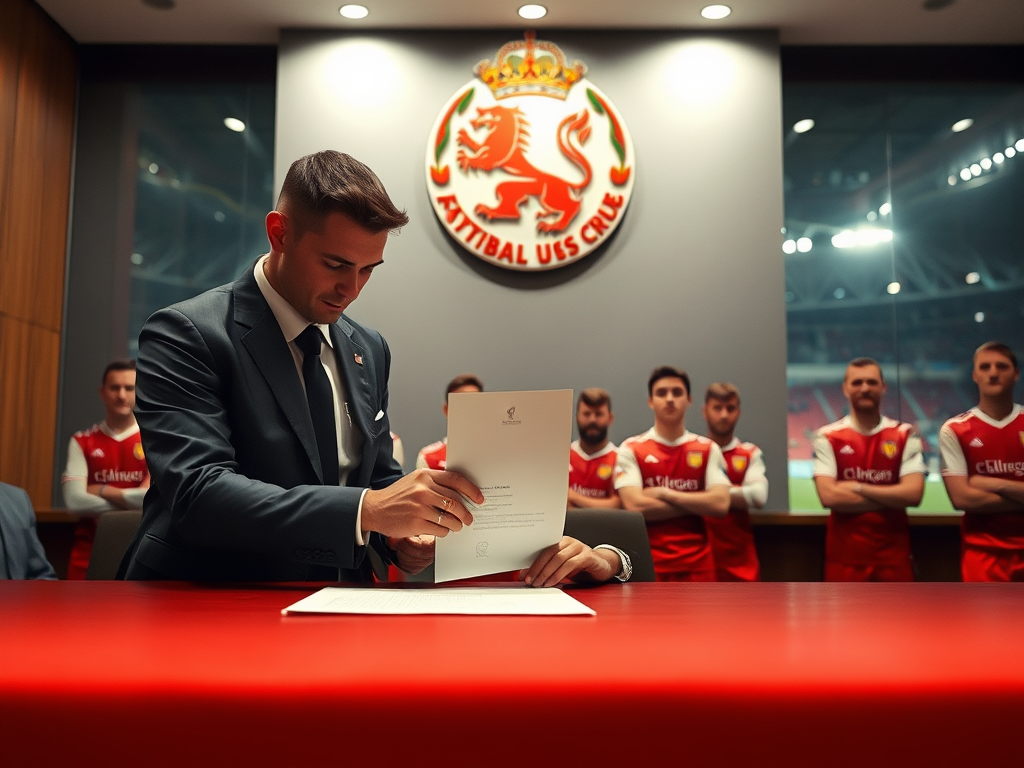
In the rich tapestry of French football, the year 1966 stands out as a significant chapter in the history of Stade de Reims. It was not just another season; it marked a turning point in the club's approach to football and its aspirations within the national framework. That year, Reims took a bold step by hiring a foreign coach, a move that was relatively uncommon in French football at the time.
The decision to bring in the Hungarian coach, László Bíró, was a calculated risk that demonstrated Reims' ambition to reclaim its place at the pinnacle of French football. Under Bíró's guidance, the club aimed to innovate its playing style and adopt new tactics that were becoming increasingly popular across Europe. This strategic shift was rooted in the understanding that to compete with the likes of Olympique Marseille and AS Saint-Étienne, Reims needed to evolve and adapt.
Bíró's philosophy emphasized a dynamic, attacking style of play that sought to exploit the skills of the players in the squad. His vision was rooted in the belief that football was not just about physical prowess but also about intelligence and creativity on the pitch. The arrival of the Hungarian coach brought a fresh perspective, blending traditional French techniques with Hungarian flair, which was renowned for its technical excellence.
The 1966 season saw the emergence of several young talents, who thrived under Bíró’s mentorship. Players like Jean-Pierre Dogliani and Roger Piantoni found new life in their performances, showcasing a brand of football that was both entertaining and effective. The team began to play with a newfound confidence, embracing the tactical nuances that Bíró instilled in them.
While the immediate results were not a league title, the groundwork laid during this period was pivotal for Stade de Reims’ future success. The club began to attract attention not just for its results but for its attractive style of play, drawing in fans and creating a buzz in the footballing community. This period marked the start of a new era, where Stade de Reims was no longer just a local powerhouse but also a team with ambitions on the continental stage.
Moreover, this decision to hire a foreign coach signified a broader trend in French football, where clubs began to look beyond their borders for inspiration and innovation. The impact of this move was felt throughout the league, encouraging other clubs to adopt a more global perspective in their coaching decisions.
In conclusion, Stade de Reims' decision to hire László Bíró in 1966 was more than just a change in management; it was a bold statement of intent that reflected the club's desire to adapt and thrive in a rapidly changing football landscape. This pivotal moment not only shaped the immediate future of the club but also set a precedent for the evolution of coaching in French football, paving the way for future generations of players and coaches alike.